

Imagine looking out of the window. What do you see?
Perhaps a bright red bus trundling down the road, or maybe a deep green tree swaying in the breeze.
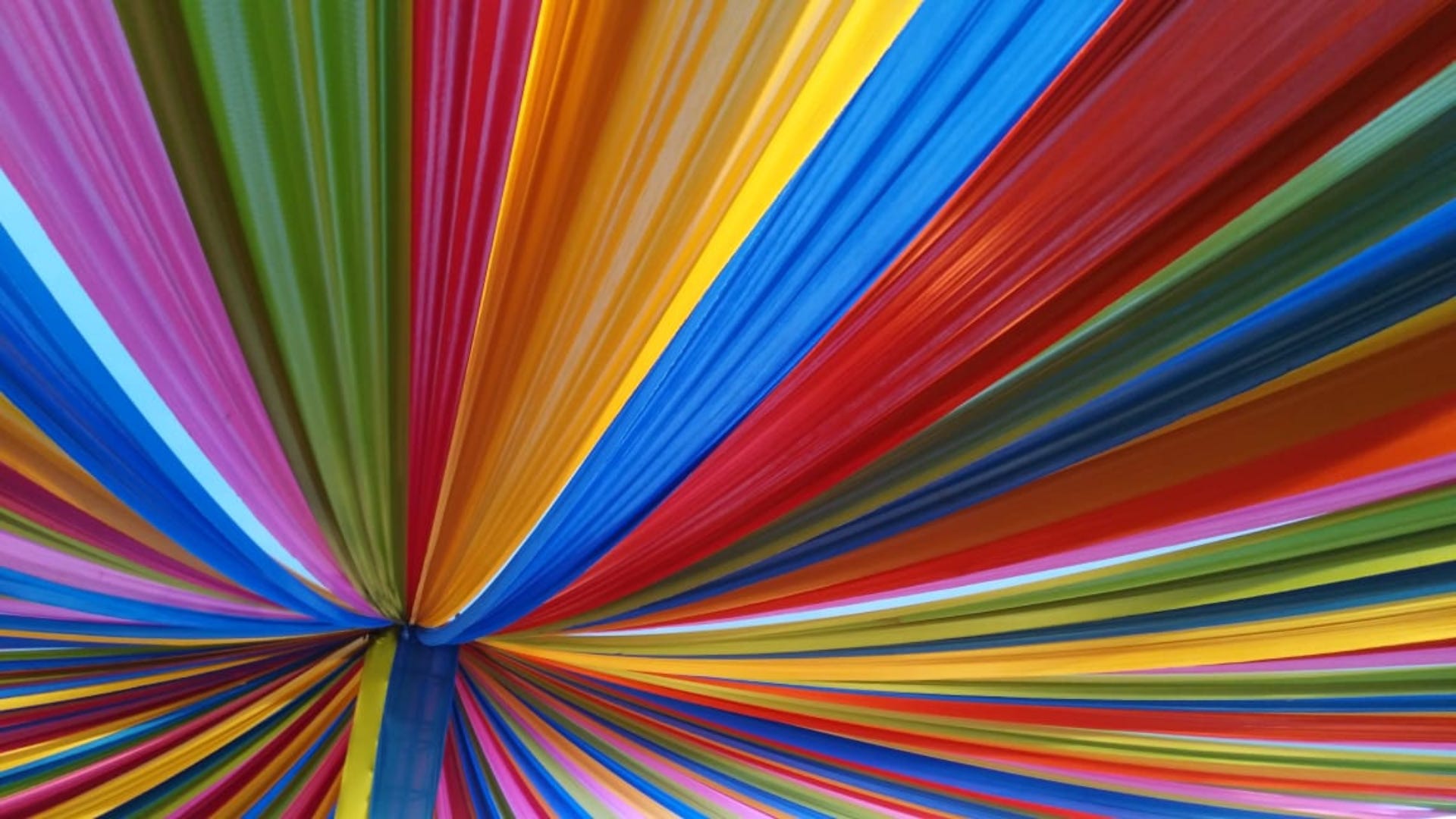
Colour is all around us, and knowing how to describe it well can really bring your English to life. It allows you to paint vivid pictures with your words, making your descriptions much more interesting and precise.
So, how can we go beyond simply saying "red" or "blue"?
Let's explore some ways to add more colour to your vocabulary!
Light and Dark:
One of the easiest ways to add detail is by talking about how light or dark a colour is. We often use the words light and dark before the colour itself.
"She wore a light blue summer dress." (Think of a pale, gentle blue, like the sky on a sunny morning.)
"The forest was full of dark green shadows." (Imagine a deep, intense green, like the leaves in a thick wood.)
You can also use words like pale for a very light colour, or deep for a very dark one.
"He had pale yellow hair."
"The wine was a deep red."
Shades and Tints:
Sometimes, a colour isn't just light or dark; it has a slightly different quality. We use words like shade and tint to describe these subtle differences.
A shade is a darker version of a colour, often created by adding black. Think of a burgundy shade of red, or a navy shade of blue.
A tint is a lighter version of a colour, usually made by adding white. For example, a baby pink is a tint of red, and a light grey is a tint of black.
Adding Nuance:
To be even more descriptive, we can use words that suggest a hint or a touch of another colour.
"The sunset was a reddish-orange." (Mostly orange, but with some red in it.)
"She had greyish-blue eyes." (More blue than grey, but with a noticeable grey tone.)
"The grass had a yellowish-green tinge after the long, dry summer." (Mainly green, but with a hint of yellow.)
You can also use words that describe the quality of the colour itself:
Bright: A strong and vivid colour. "He wore a bright yellow jumper."
Dull: A colour that lacks vibrancy. "The old book had a dull brown cover."
Vibrant: A lively and intense colour. "The market was full of vibrant fabrics."
Muted: A soft and subtle colour. "She chose a muted grey for the walls."
Rich: A deep and luxurious colour. "The velvet curtains were a rich purple."
Watch this video to help you…
Putting it All Together:
Now, let's see how we can combine these words to create more detailed descriptions:
"The old wooden boat was painted a faded light blue, almost the colour of a washed-out denim."
"In the twilight, the mountains turned a deep, shadowy purple against the pale orange sky."
"She picked a bunch of flowers in vibrant shades of pink, red, and yellow."
Describing colours effectively is a wonderful way to make your English more expressive and engaging. So next time you're looking at something colourful, take a moment to think beyond the basic names. Try using some of these words to paint a picture with your language. You might be surprised at how much more interesting your descriptions become!