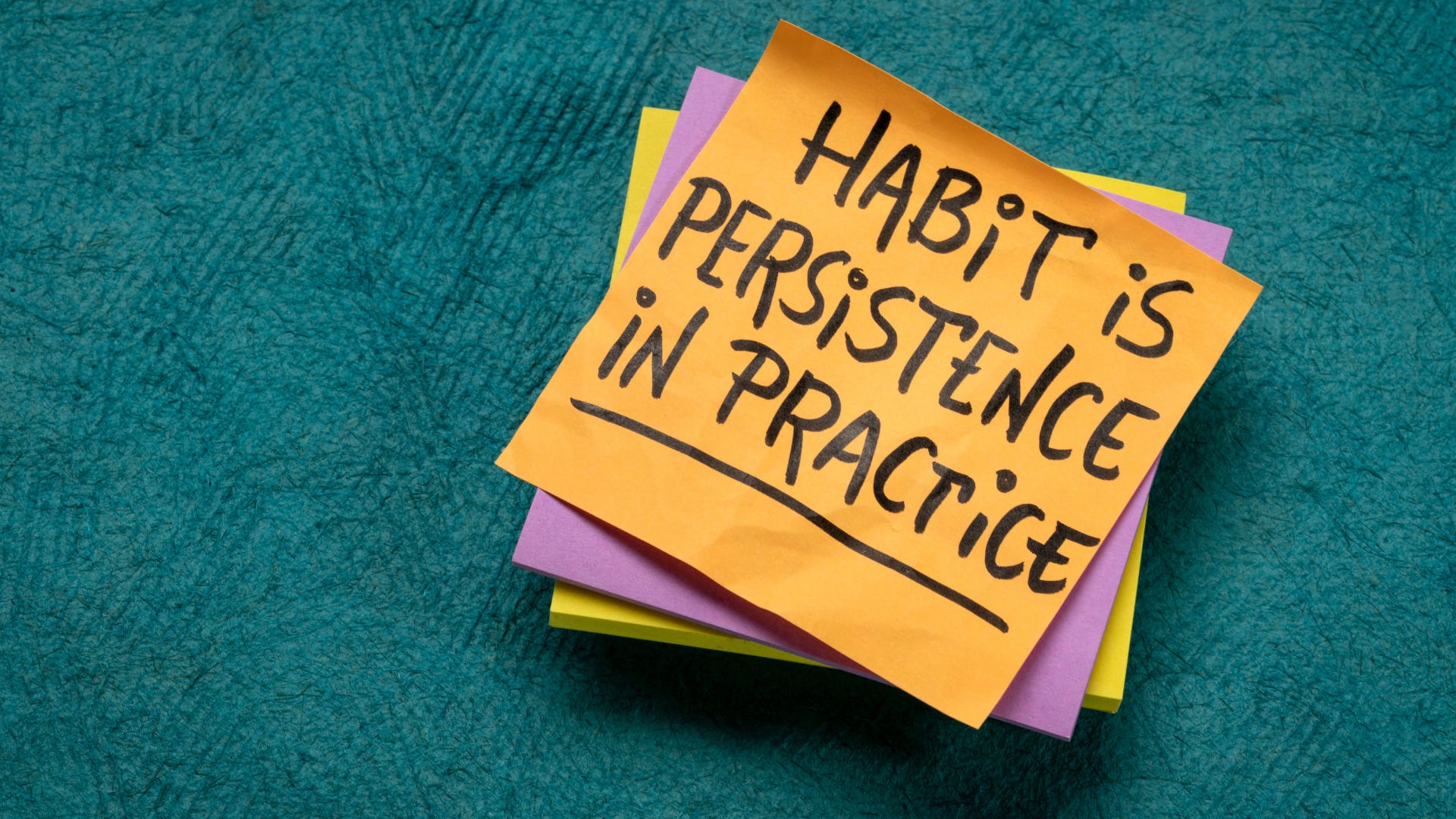
Many people think that changing your life requires a massive amount of willpower.
However, the secret to success is not about making giant leaps; it is about taking small, consistent steps.
Why Habits Matter
A habit is something you do automatically, almost without thinking.
Think about cleaning your teeth or making a cup of tea in the morning. You do not have to “force” yourself to do these things because they are hard-wired into your brain.
When you create positive habits, you stop relying on your mood to get things done. If you wait until you “feel motivated” to study, you might only study once a week. But if you make it a habit to learn five new words while you drink your morning coffee, you will progress much faster.
How to Create a New Habit
To build a new routine, you can use a method called “Habit Stacking.” This means you take a habit you already have and “stack” a new one on top of it. For example:
Existing habit: I arrive at the bus stop.
New habit: I will listen to an English podcast while I wait for the bus.
By linking the new action to an old one, your brain remembers to do it more easily.
It is also important to start small.
If you want to start running, do not try to run for an hour on the first day. Start with just ten minutes. It is better to do a little bit every day than a lot once a month.
The Positive Effects of Change
When you successfully change a habit, it creates a “ripple effect.”
The Meaning of “Ripple”
The Literal Meaning: A ripple is a very small wave on the surface of water. If you drop a tiny stone into a pond, you will see small circles of water moving outwards. Those circles are ripples.
The Figurative Meaning (The “Ripple Effect”): This describes a situation where one event or action causes a series of other events to happen.
In Context: If you start the habit of exercising (the first “stone” in the water), the ripple effect might be that you sleep better, you have more energy at work, and you feel happier with your family.
This means one small change can lead to many other positive results in your life. Here are some benefits of embracing change:
Increased Confidence: Every time you keep a promise to yourself, you feel more capable and proud.
Better Health: Small changes, like choosing fruit over a biscuit, add up over time to make you feel more energetic.
Mental Clarity: Organising your day with good habits reduces stress because you do not have to make as many decisions.
Faster Learning: Consistency is the “holy grail” of language learning. Practising for fifteen minutes every day is much more effective than studying for three hours once a week.
Overcoming Challenges
Of course, change is not always easy. You might have a bad day and forget your new routine. When this happens, do not be too hard on yourself.
In English, we have a saying: “Don’t throw the baby out with the bathwater.” This means you should not give up on your whole goal just because of one small mistake. Simply start again the next day.
Remember, the goal is progress, not perfection. If you focus on being just 1% better every day, you will be amazed at how much your life—and your English—can change in a year.
Key Takeaways
Habit Stacking: Link a new habit to an old one to help your brain remember it.
Start Small: Focus on consistency rather than intensity; ten minutes a day is better than three hours once a week.
The Ripple Effect: One small positive change often leads to improvements in other areas of your life, such as your confidence and energy.
Would you like to try “habit stacking” today?
New here? Don’t forget to grab your copy of ‘The Fluency Breakthrough: 5 Strategic Keys to English Speaking Confidence’ This guide is specifically for intermediate learners who need to move from “language student” to “global communicator”. It’s the perfect roadmap for your next 30 days of growth. 👉 [Download Your Fluency Breakthrough Guide Here] 🔗
Become a MEMBER (a paid subscriber) to have access to all posts, join the community chat, and attend live classes at no extra cost.