

Today, we’re diving into the fascinating world of “isms.” No, we’re not talking about strange rituals or secret societies; we’re exploring the funny, quirky, and sometimes confusing suffix that attaches itself to words.
What Are Isms?
At its core, an “ism” is a suffix that indicates a belief, doctrine, or movement.
Think of it as the -er in “teacher.” Just like a teacher imparts knowledge, an “ism” imparts ideas! When you see an “ism,” it often points to a particular way of thinking.
Let’s break down some popular “isms” with a sprinkle of humour.
1. Optimism
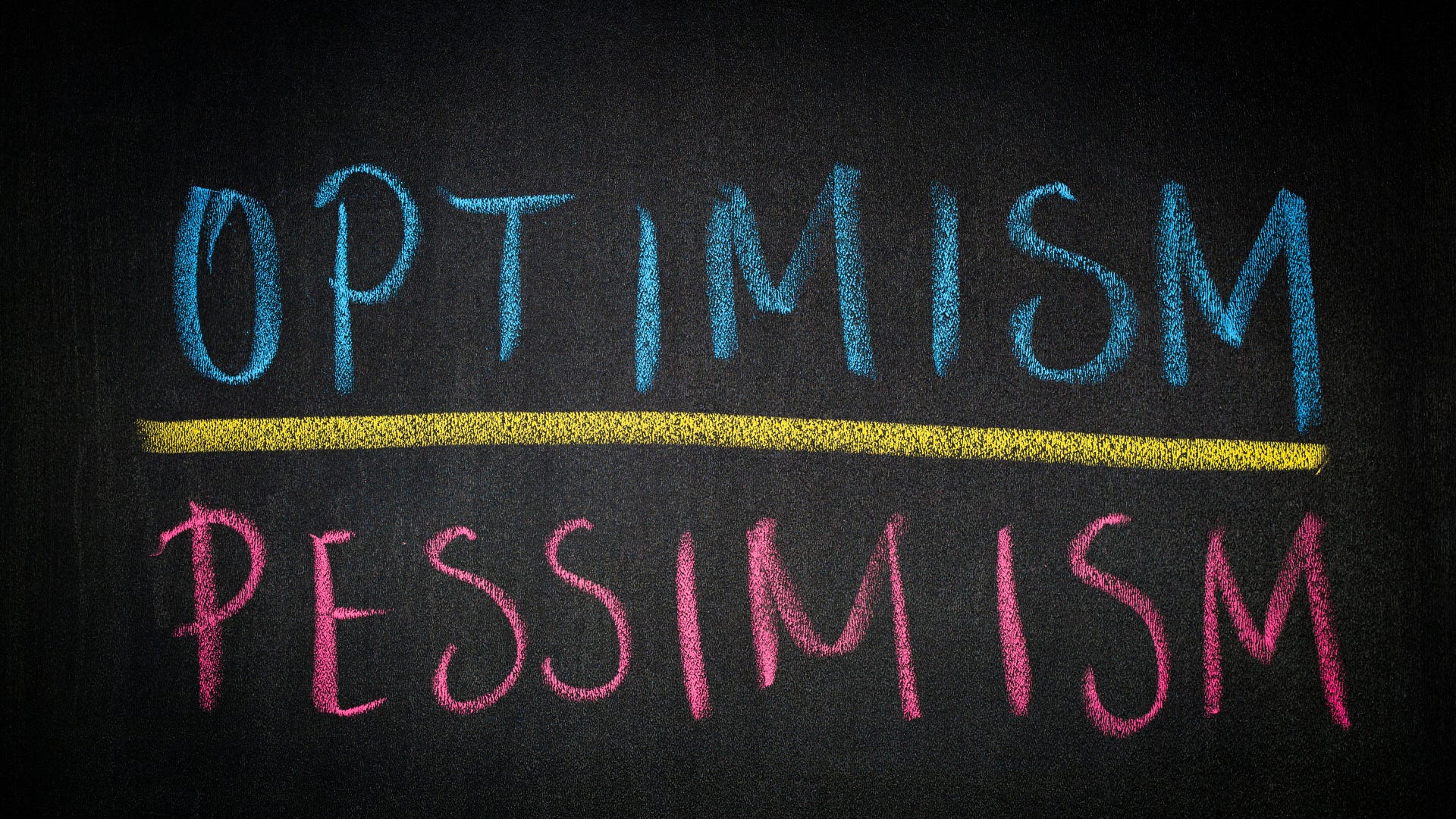
First up is optimism! Optimism is the belief that everything will turn out well. Picture an optimist looking at a half-empty glass of water and saying, “What a great opportunity to drink water!” Meanwhile, the realist is just trying to figure out how to avoid spilling it. Optimists are the people who see the silver lining in every cloud, even if it’s just a reflection of their shiny new car!
Funny Example:
Imagine someone who trips over their own feet and falls face-first into a mud puddle. An optimist would say, “Well, at least I’m now one with nature!” Realists, however, might just want to check if their nose is broken.
2. Pessimism
On the flip side, we have pessimism. Pessimists believe the worst will happen. If optimism is a sunny day, pessimism is a rainstorm with a 100% chance of umbrella failure. Pessimists see a half-empty glass and think, “Why bother? It’s probably filled with poison!”
Funny Example:
When a pessimist walks into a bakery, they see all the delicious cakes but mutter, “Great, just what I need: more calories to add to my collection of regrets.”
3. Realism
Now, let’s meet realism. Realists are the sensible folks who see things as they are. They understand that sometimes the glass is just… well, a glass! Realists are the ones who remind everyone that just because it’s raining doesn’t mean it’s time to dance in puddles. They’re like the friends who say, “Are you sure you want to climb that mountain? The view is great, but you might also fall!”
Funny Example:
A realist at a party might say, “This cake looks delicious, but I’m pretty sure it’s just sugar and disappointment. Let’s eat the fruit instead.”
4. Sarcasm
Next up is sarcasm. Sarcasm is when you say one thing but mean the opposite, often in a humorous way. Think of it as a verbal eye roll. For example, if someone says, “Oh, fantastic! Another meeting that could have been an email!” they’re using sarcasm to express their true feelings.
Funny Example:
When your friend shows up late and says, “Sorry, I lost track of time!” you might respond with, “No worries, time is just a social construct anyway!” Cue the laughter—or at least a few groans!
5. Fanaticism
Finally, we have fanaticism, which refers to excessive enthusiasm for a cause. It’s like that friend who takes their love for a certain band to a whole new level. They paint their walls with posters and can quote every single song—but also insist that anyone who disagrees is clearly not a true fan.
Funny Example:
Picture a fanatic waiting outside a concert venue for days just to be the first in line while others enjoy a nice cup of coffee and a relaxing day at home. They might shout, “You call that a line? This is a line!” as they stand proudly next to their folding chair.
Wrapping It Up!
So, there you have it! “Isms” can be funny, informative, and sometimes a little weird. From optimism to fanaticism, understanding these terms helps us navigate the colourful world of ideas and beliefs. Next time you encounter an “ism,” you can impress your friends by sharing your newfound knowledge—or at least crack a joke or two about it.
Now, go out there and use your “ism” wisdom wisely! Just remember: whether you’re an optimist, a pessimist, a realist, or just a fan of funny words, laughter is the best “ism” of all!